
Chemical Preparedness and Response Surveillance Program
2025 Chemical Preparedness and Response Surveillance Report (ChPRS): Toxic Substance Releases
Releases are different ways dangerous chemicals enter our air, water and land.
Updated annually by NCDHHS.
Last Updated: Sept. 2026
Toxic substance releases in NC
The three most common substances were:
Toxic Releases by County
Rate by County
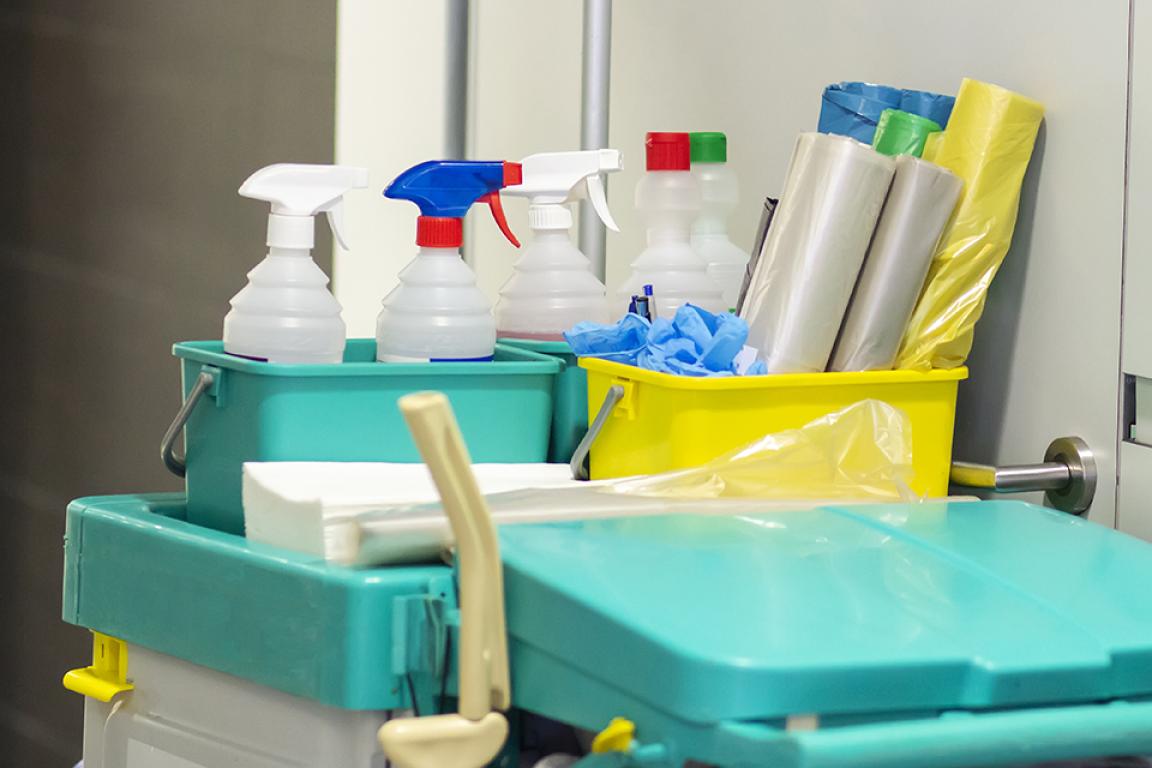
2025 Incident Highlight
Elementary school students and staff were exposed to a high concentration peroxide-based cleaner that measured high volatile organic compounds (VOCs).
Ten students and staff experienced symptoms, mainly headache and nausea.
Two evacuations occurred due to a leaking container in a janitor closet that was initially missed. Students and staff were evaluated on scene.
Archived Reports
- ChPRS Summary Report, North Carolina, 2024 (PDF)
- ChPRS Summary Report, North Carolina, 2023 (PDF)
- ChPRS Summary Report, North Carolina, 2022 (PDF)
- ChPRS Summary Report, North Carolina, 2021 (PDF)
- ChPRS Summary Report, North Carolina, 2019 (PDF)
- ChPRS Summary Report, North Carolina, 2018 (PDF)
- ChPRS Summary Report, North Carolina, 2017 (PDF)
- Toxic Substance Releases Summary Report, North Carolina, 2016 (PDF)
- Toxic Substance Releases Full Report, North Carolina, 2015 (PDF)
- Toxic Substance Releases Full Report, North Carolina, 2013-2014 (PDF)
- Toxic Substance Releases in North Carolina, 2010-2013 (PDF)
- Summary of Toxic Substance Releases, North Carolina, 2010-2012 (PDF)
- Toxic Substance Releases Full Report, North Carolina, 2010-2012 (PDF)
Contact Us
North Carolina Poison Control
In the case of a life-threatening emergency, call 911 immediately.
This report was supported by the Centers for Disease Control and Prevention of the United States Department of Health and Human Services as part of an award totaling $15,747,826 with 10 percentage financed from non-federal sources.