What is diabetes?
Diabetes is a condition in which the body does not produce or properly use insulin. Insulin is a hormone that is needed to convert sugar, starches and other food into energy needed for daily life. Genetics, lifestyle and environmental factors appear to play roles in people developing diabetes.
Types of diabetes
Prediabetes – A condition in which blood glucose levels are higher than normal but not high enough to be classified as diabetes.
Type 1 Diabetes – a condition in which the body produces little or no insulin.
Type 2 Diabetes – a condition in which the body does not use insulin properly. Click here for information about risk factors for type 2 diabetes.
Gestational Diabetes – occurs in some pregnant women with high glucose levels during pregnancy.
Managing diabetes
Managing diabetes requires lifestyle changes. The following resources are for you to help manage the disease.
If you have diabetes, you should know your ABCs:
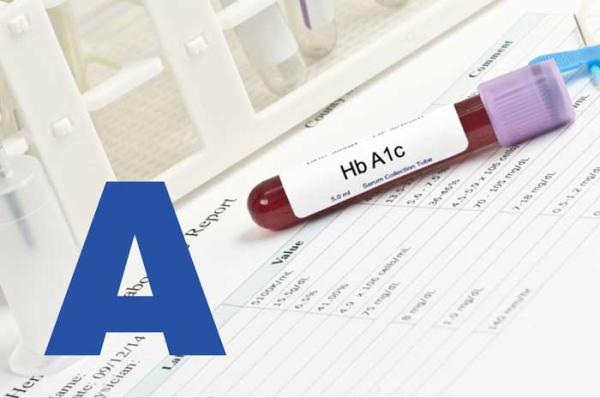
A1c test
Every 3 months (Ideal: less than 7)
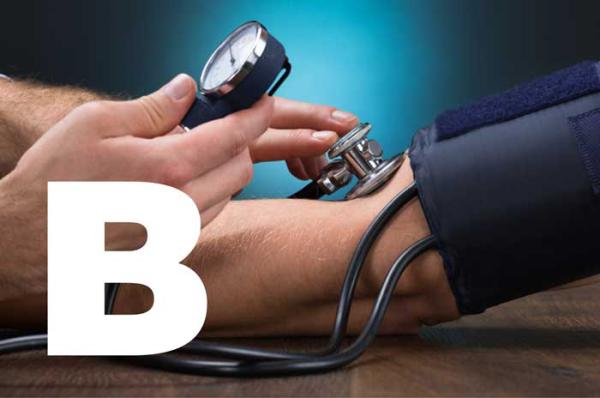
Blood pressure
Healthy blood pressure (Ideal: less than 120/80)
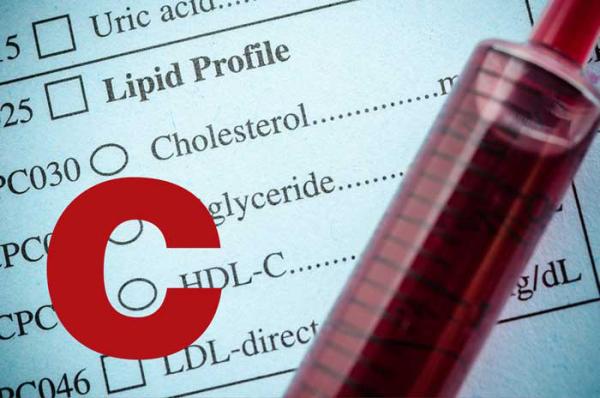
Cholesterol
Ideal: LDL less than 100, HDL greater than 40
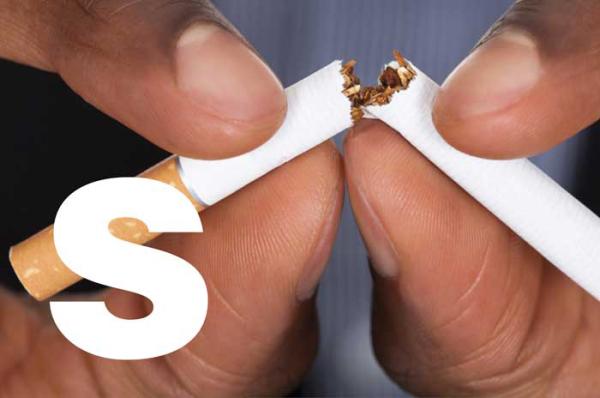
Stop tobacco use
Stop smoking, if you are a smoker
Living with diabetes
Diabetes is a leading cause of stroke, blindness and kidney failure - but the disease can be controlled.
Listen to these stories about how three individuals learned to manage their diabetes
Essic’s Story:
Living with complications from diabetes complications
Sylvia's Story (Spanish)
Living with type 2 diabetes
Benjamin’s Story:
A juvenile with type 1 diabetes
Manage Your Diabetes Guide

Learn how to better manage your diabetes on your own or with help from others.
The Manage Your Diabetes Guide is an excellent resource to help people with diabetes get the best care possible at the best price possible.
Diabetes Self-Management and Education Support (DSMES) programs offers individual and group education. During a one-on-one session with your diabetes educator, you will create a plan to fit your needs and lifestyle.
If you are not able to afford your medication, check with your provider about programs that may be of assistance. As a resident of North Carolina, you and your family have access to a statewide Prescription Assistance Program.
North Carolina Drug Card
Additional Resources
Diabetes North Carolina is a program of the
Community and Clinical Connections for Prevention and Health Branch.