
Rabies in North Carolina
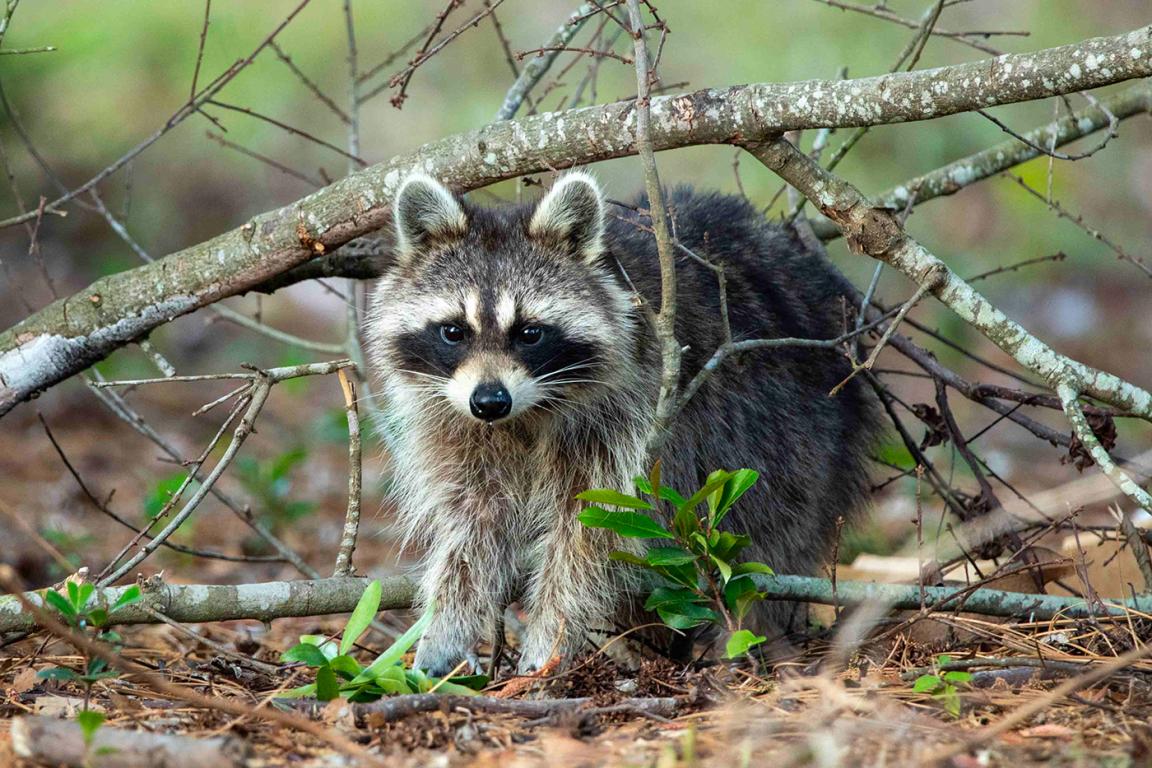
Rabies is a deadly viral disease. It attacks the brain and nerves in mammals. All mammals can get rabies, including people.
Rabies is nearly always fatal. You can prevent rabies in pets by keeping their vaccinations up to date.
If you think you were exposed to rabies, contact your local health department right away.
Protect Your Family and Pets
There is no cure for rabies. The best way to keep your family and pets safe is to prevent exposure.
What You Can Do
- Vaccinate your pets. Keep their rabies vaccinations current. Find a veterinarian near you.
- Keep pets inside. Supervise pets outside and keep dogs on a leash.
- Cats get rabies more than any other pet in NC and the U.S. Get tips for keeping indoor cats happy (American Bird Conservancy).
- Do not feed your pets outside. Pet food attracts wildlife.
- Enjoy wildlife from a distance. Do not feed wildlife, or feral cats or dogs.
- Secure garbage cans with lids that keep wildlife out.
- If you think you were exposed to rabies, call your local health department right away. They will check your risk. You may be exposed if:
- An animal with rabies bites you.
- You come in contact with saliva from an animal with rabies.
- You have direct contact or sleep in a room with a bat. (Do not release the bat outdoors. Contact animal control for help.)
- Call animal control right away if you think you were exposed to an animal with rabies.

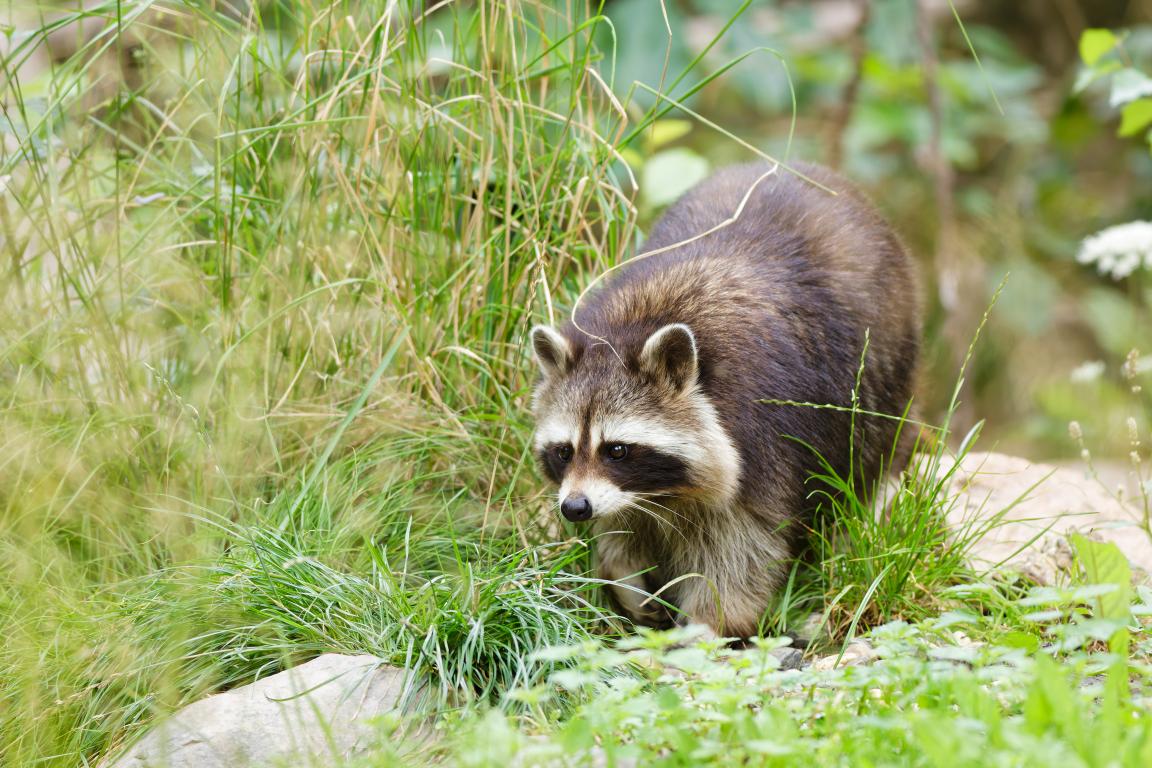

Frequently Asked Questions
Symptoms may start weeks or months after exposure. Early signs include weakness, fever or headache, and itching at the bite spot. Rabies is almost always fatal unless a person gets medicine before symptoms start.
Rabies spreads when saliva from an infected animal enters someone's body through a bite, an open cut, or through the eyes, nose or mouth. You can get rabies if a rabid animal bites you.
Human rabies infections are extremely rare in the United States. North Carolina has had no reported human cases since 2011.
Wash wounds with soap and water for 15 minutes. Then get medical care right away.
Call your local health department to learn if you need medicine to prevent rabies. Call before going to urgent care or the emergency department. They can tell you if medicine is needed and where to get it.
Call your local animal control right away. They must catch and test the animal or hold it if it is a healthy pet.
North Carolina rabies law requires that all owned dogs, cats and ferrets must get a rabies vaccination by 4 months old (NCGS 130A-185). Pets must be kept current on rabies vaccinations. Ask your vet when your pet needs booster shots. Find a veterinarian near you.