
[TEST] Ebola Virus
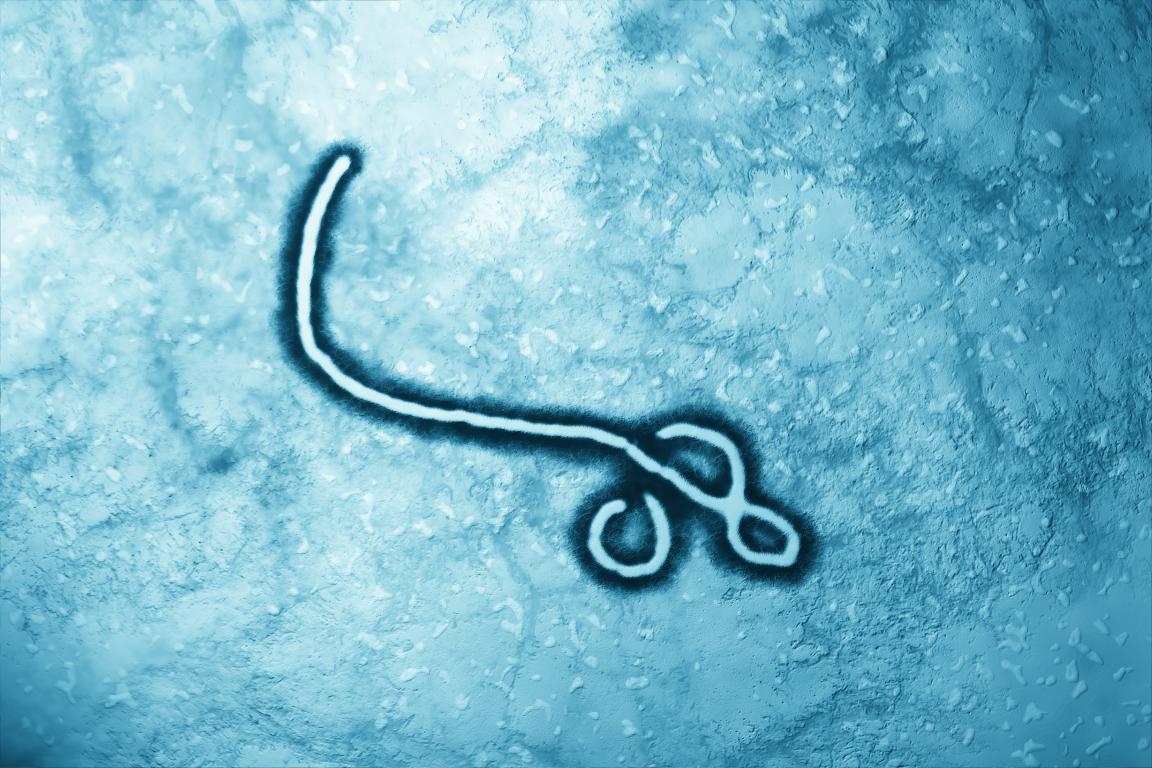
Ebola, formerly known as Ebola hemorrhagic fever, is a rare and deadly disease caused by infection with one of the Ebola virus strains. Ebola can cause disease in humans and nonhuman primates (monkeys, gorillas, and chimpanzees).
North Carolina's health care community is ready to identify and respond to a case of Ebola. The risk of infection of Ebola in North Carolina remains extremely low.
Read More: Updates on the outbreak in the Democratic Republic of the Congo and Uganda
How it Spreads
Ebola viruses are found in several African countries. Ebola was first discovered in 1976 near the Ebola River in what is now the Democratic Republic of the Congo. Since then, outbreaks have appeared sporadically in Africa.
Ebola is caused by infection with a virus of the family Filoviridae, genus Ebolavirus. There are five identified Ebola virus species, four of which are known to cause disease in humans:
- Ebola virus (Zaire ebolavirus)
- Sudan virus (Sudan ebolavirus)
- Taï Forest virus (Taï Forest ebolavirus, formerly Côte d’Ivoire ebolavirus)
- Bundibugyo virus (Bundibugyo ebolavirus)
The fifth, Reston virus (Reston ebolavirus), has caused disease in nonhuman primates. It has not caused infection in humans.
The natural reservoir (host) of Ebola virus remains unknown. Researchers believe that the virus is animal-borne and that bats are the most likely reservoir. Four of the five virus strains occur in an animal host native to Africa.
Ebola is spread through direct contact with body fluids of a person who is sick with Ebola. This includes:
- Blood
- Urine
- Feces
- Saliva
- Vomit
- Sweat
- Semen
- Breast milk
- Amniotic fluid
Objects that have been contaminated with the blood or body fluids can also pass on the disease.
The virus can enter into a person's body through their eyes, nose, mouth, or broken skin. Those in healthcare who are at risk of needle sticks should take extra precautions.
Ebola is not spread through the air, water, or food.
Symptoms of Ebola
Symptoms may include:
- Fever
- Severe headache
- Muscle pain
- Weakness
- Diarrhea
- Vomiting
- Abdominal pain
- Unexplained bleeding or bruising
Ebola is only contagious after the onset of symptoms. The
before symptoms may appear is 2-21 days, with 8-10 days being the most common.If you or a loved one becomes ill within 21 days after traveling to an affected area in West Africa, contact a healthcare provider immediately. You should limit contact with others until you have been evaluated.
How to Prevent Ebola Virus
Do wash your hands often with soap and water or use an alcohol-based hand sanitizer.
Do not touch the blood or body fluids of people who are sick.
Do not handle items that may have come in contact with a sick person’s blood or body fluids. This includes clothes, bedding, needles, or medical equipment.
Do not touch the body of someone who has died of Ebola.
There is no FDA-approved vaccine available for Ebola. Experimental vaccines and treatments for Ebola are under development. They have not yet been fully tested for safety or effectiveness.
Treatment and Recovery
There are two approved treatments for Ebola disease caused by the Orthoebolavirus zairense species. The other Ebola viruses, including the Bundibugyo virus, have no approved treatments.
Ebola virus has a very high mortality rate. Supportive care, such as fluids, early on in infection may help improve the odds of survival. Do not wait to contact a health care provider or your local health department if you think you may have Ebola virus.