What is a tick-borne disease?
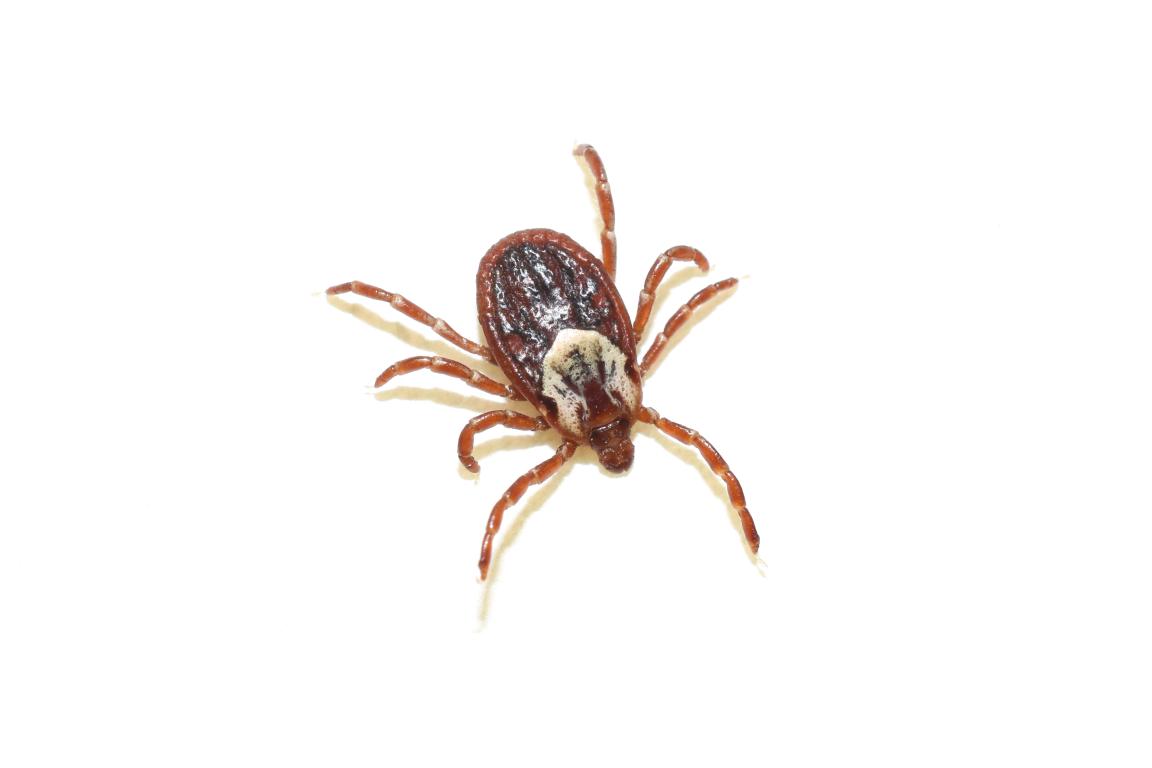
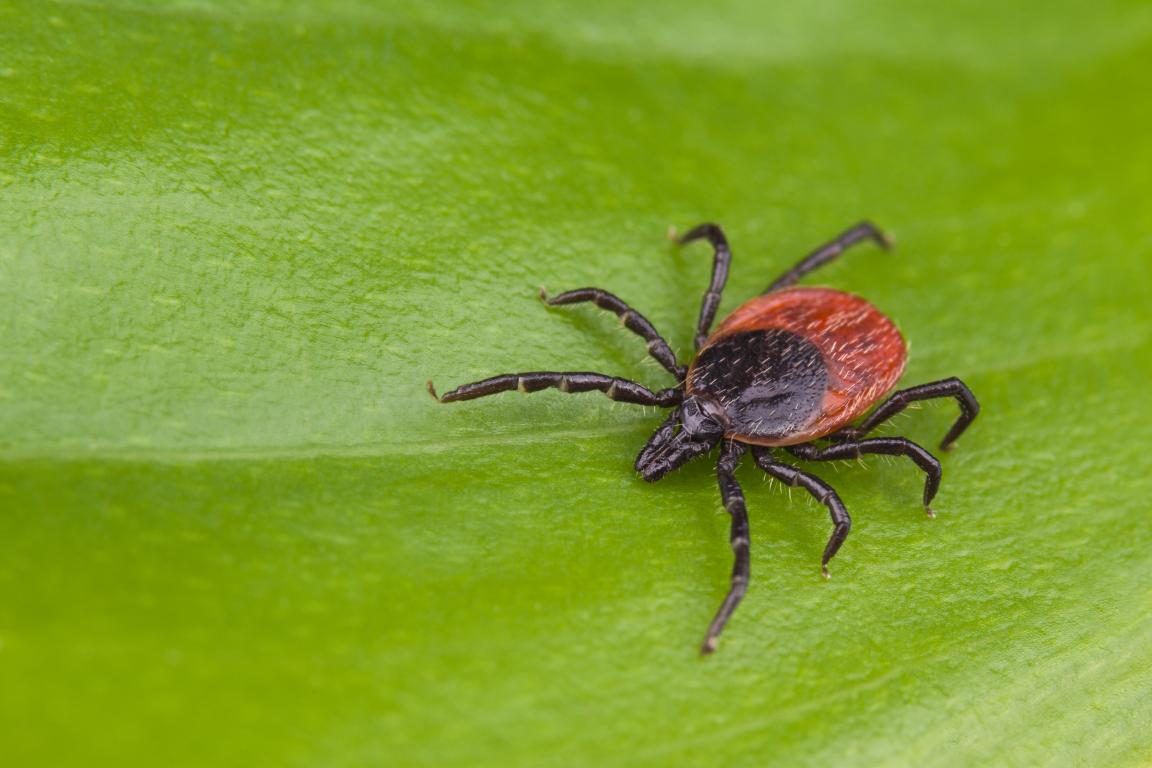
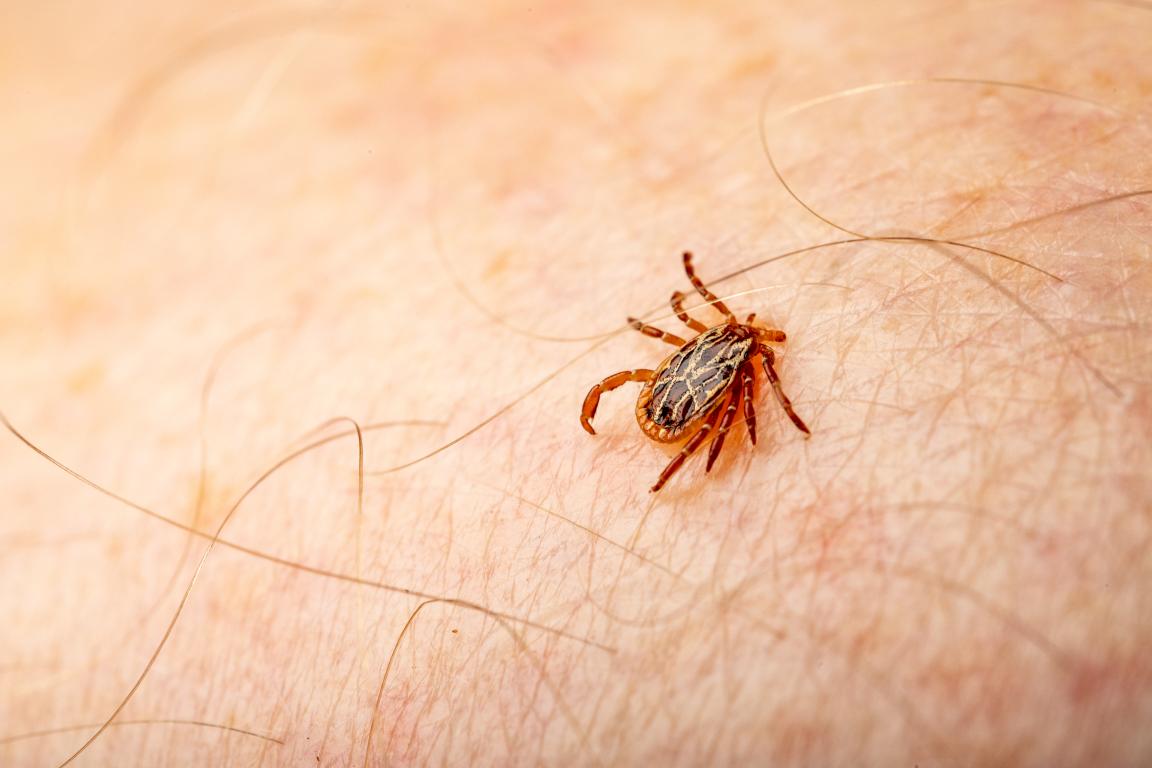
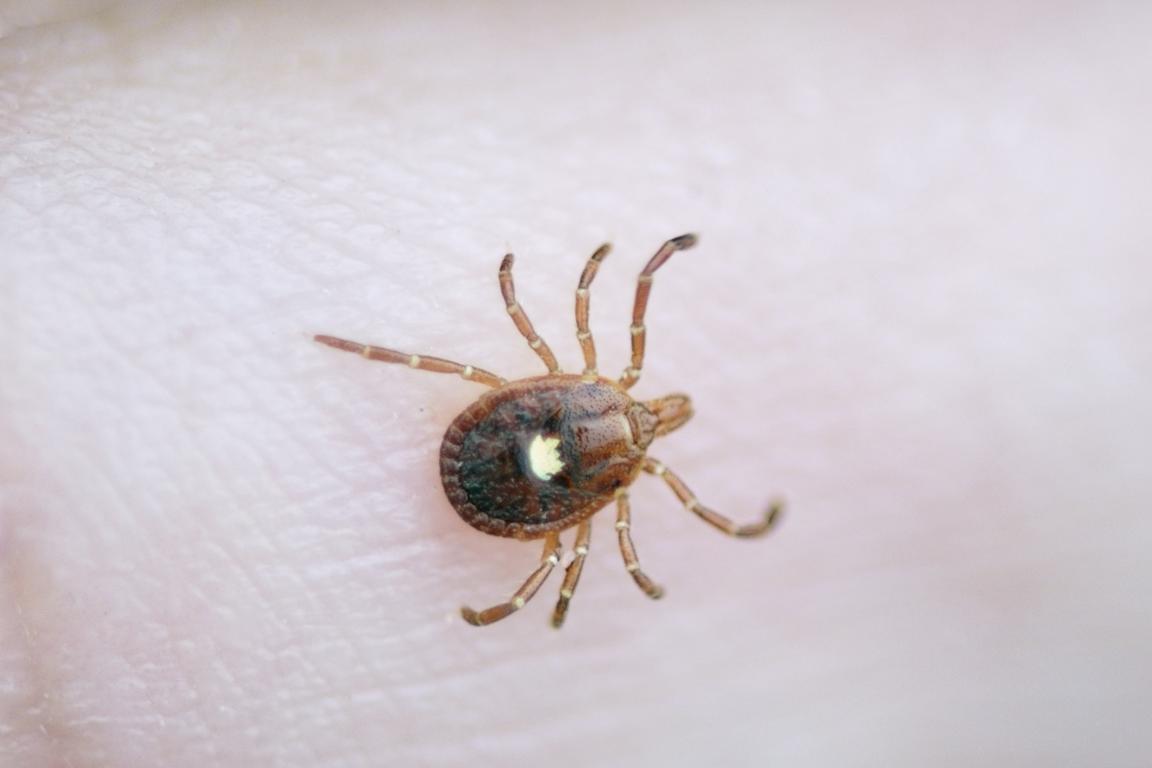
Ticks are small, bloodsucking arthropods that bite humans and animals. They are common in all areas of North Carolina. Some diseases can be spread through tick bites. These are referred to as "tick-borne" illnesses. Most of the tick-borne illnesses that occur in North Carolina are caused by bacteria. These illnesses often cause flu-like symptoms in people, but if left untreated, they may lead to serious health problems.
Tick-Borne Diseases FAQs
The risk of getting a tick-borne illness is higher among people who spend time in areas where ticks live, which can include:
- Wooded areas
- Along the edges of forests
- Areas with tall grass or brush
You may be more likely to be bitten by ticks if you:
- Work outdoors
- Live in a wooded area
- Spend time hiking, camping, or doing other outdoor activities
If you get a tick-borne illness, you may be more likely to experience severe symptoms if you:
- Have an underlying medical condition that weakens your immune system
- Are receiving medical treatment or taking medication that weakens your immune system (e.g., chemotherapy)
- Are older (> 65 years old)
- Are very young (< 5 years old)
Symptoms may vary between different tickborne diseases. Symptoms of some common tick-borne illnesses in North Carolina may include:
- Fever/chills
- Fatigue
- Headache
- Muscle aches
- Joint pain
- Rash (which may look different based on the disease)
If left untreated, tick-borne illnesses can cause additional, more severe symptoms, such as:
- Arthritis and severe joint pain
- Irregular heartbeat
- Blood vessel damage
- Abnormal bleeding
- Organ failure
- Death
Severe illness is more likely to occur in people with a weakened immune system or other health conditions.
Most tick-borne illnesses that occur in North Carolina are treated with antibiotics. Antibiotics must be prescribed by a healthcare provider. Early treatment can prevent severe disease. See a healthcare provider as soon as possible if you think you have a tick-borne illness.