
In North Carolina, many families get their drinking water from private wells. Unlike city water, which is tested regularly by water providers, private well owners must test their own water. That means it is up to each family to make sure their water is safe.
Water from private wells can contain harmful germs or chemicals you can’t see, smell or taste. If well water is not routinely tested, families may drink unsafe water without knowing it. This can lead to stomach problems, skin rashes or more serious health issues over time.
The NC Private Well Water StoryMap helps families understand their well water risk and stay safe. The NC Environmental Public Health Tracking program (NCEPHT) and the NCDHHS Private Well and Health Team created this tool.
This free online tool helps families:
- Learn why well water testing is important
- Find out what can affect well water
- See well water testing results by county
- Learn how to test and treat their water
- Find resources for help and support
Use the StoryMap to see if your area may have a higher risk for contaminated well water and to learn next steps.
What We Learned and How Families Can Act

By using StoryMap and state data, the team found that some families in Sampson and Alamance counties were at higher risk for unsafe well water.
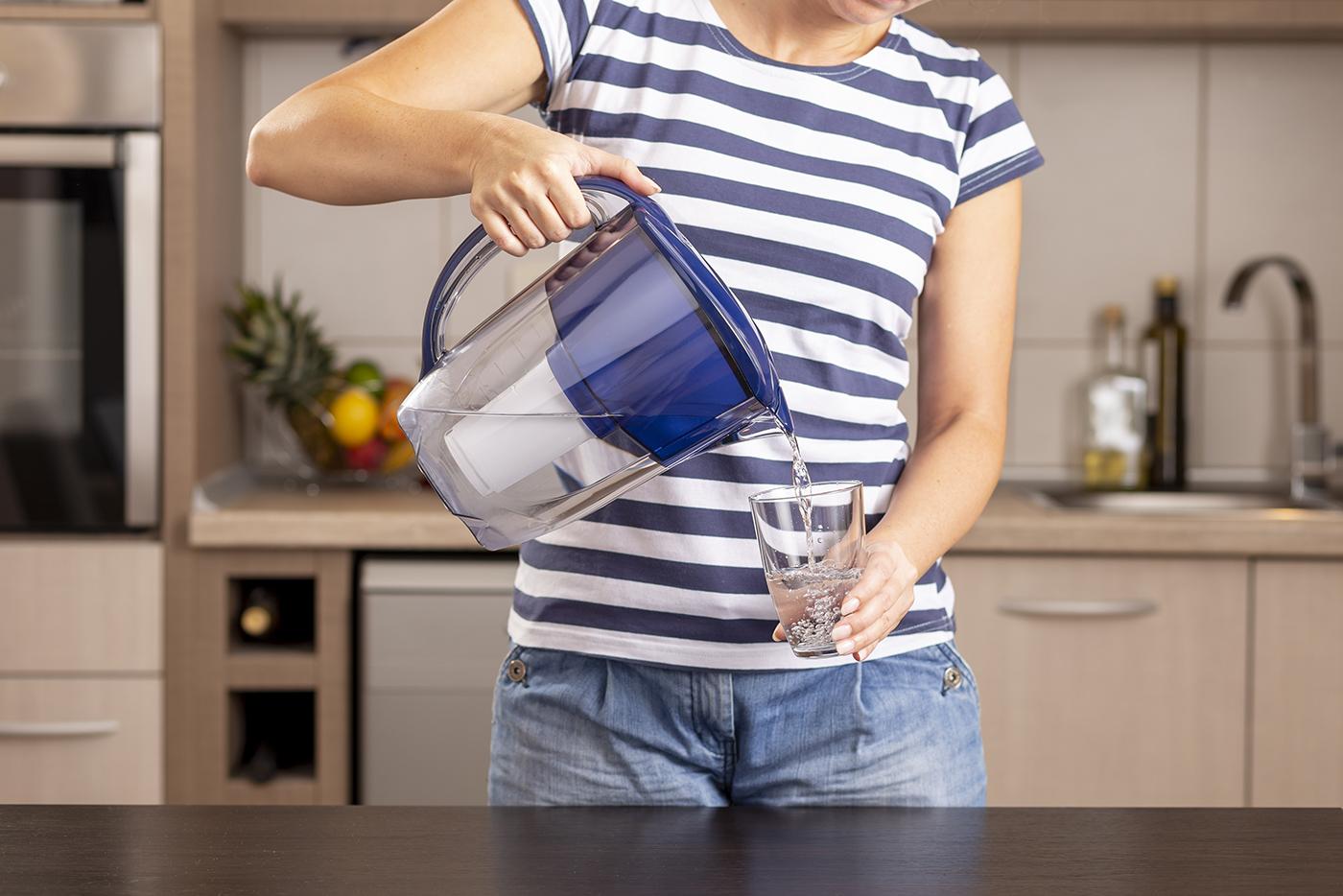
NCEPHT worked with a local community group and the Occaneechi Band of the Saponi Nation to provide more than 600 families who rely on well water with:
- Water pitchers with filters and replacement filters
- Easy-to-read guides in English and Spanish that explain:
- How to use water filters step by step
- Why regular well water testing protects families’ health
- When and how often to test well water
These same tips are now available to families across the state through StoryMap.
What Every Family Using a Private Well Should Know
- Test your well water every year for bacteria and every other year for metals like lead and arsenic
- Test more often if your water changes color, smell or taste
- Contact your local health department or use a certified lab for testing
- If test results show a problem, consider using a water filter or treatment system
Clean water protects your family’s health today and in the future.
Learn More and Get Help
NC families can explore the NC Private Well Water StoryMap to learn about their water, testing options and treatment steps.
If you have questions or want help getting started, contact the Private Well and Health Team at oeeb@dhhs.nc.gov or 919-707-5900.