

Nearly 120,000 babies are born each year in North Carolina. The state newborn screening (NBS) program identifies about 250 babies who need treatment for a healthier start to life.
Newborn screening is the best way to know if your baby needs extra care. Early testing is important because:
- Most NBS health problems do not show up in the baby’s family medical history.
- Babies may not show signs of the health problem at birth.
- Newborn screening tests for health problems that can be life-threatening or cause serious long-term issues if not treated early.
- The earlier a health problem is found and treated, the better chance your baby will have for a healthy start in life!
What You Can Expect
Newborns get three tests within the first 24-48 hours after birth.
Blood Spot Screening
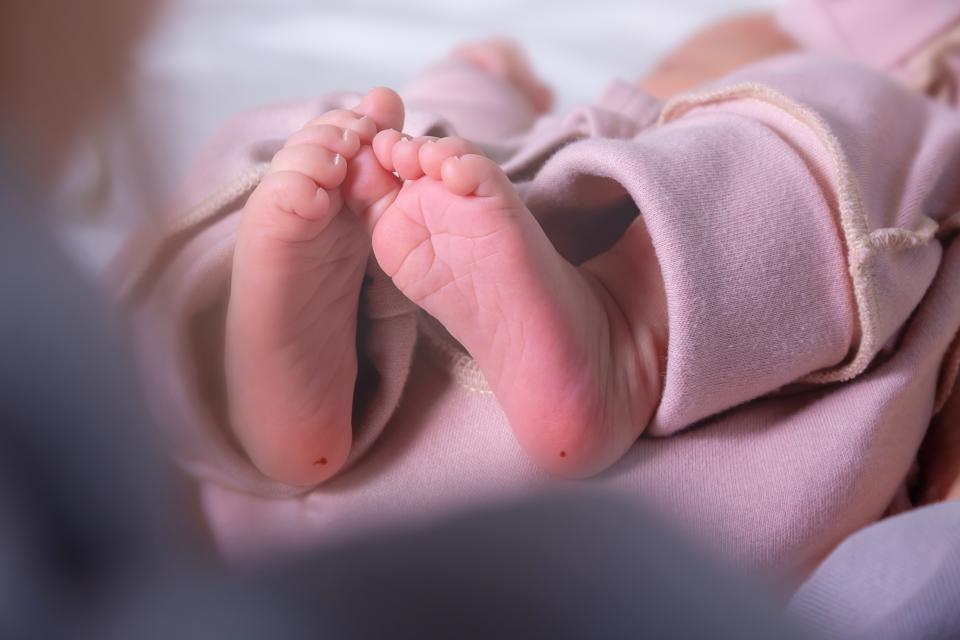
A health care provider will prick the heel of your baby’s foot to collect a few drops of blood on paper.
- Learn if your child has one of more than 50 different health problems.
- Expect results in five to seven days from your baby’s health care provider or the North Carolina Newborn Screening Follow-Up Program.
- Ask your health care provider at the two-week-well-child visit if you haven’t heard about the results.
The blood spot test does not rule out all medical problems a baby can have. Even with a normal result, if you notice any concerning symptoms, visit your health care provider.
Learn more about blood spot screening and the medical problems it tests for in babies.
Heart Defects Screening
A health care provider will put a sensor wrap (pulse oximeter probe) on your baby’s right hand and one foot to measure the difference in oxygen levels in the baby’s blood when the baby is 24 to 48 hours old.
- Expect to learn the results in real time as the health care provider explains the results.
- This test may find a serious heart problem called a critical congenital heart defect.
The heart screening only finds certain types of heart problems. Even if your baby passes the test, if the baby develops concerning signs and symptoms (i.e., breathing fast or slow, blue color, poor feeding), do not wait to contact a health care provider as soon as possible.
Learn more about the heart screening and critical congenital heart defects.
Hearing Screening
A health care provider will place headphones on your baby and play a soft sound. You may hold or swaddle them during the test. It is done when the baby is calm and quiet.
- Expect to know the results in real time as the health care provider measures the baby’s response to the sound.
- If your baby refers or does not pass the hearing screening, follow directions about a repeat hearing screening or a more specialized hearing test.
Babies can lose hearing at other points in their life. Make sure your child is getting regular hearing tests as part of regular well visits or if you have concerns about your child’s hearing to ensure they don’t need more testing or treatment.
Learn more about the hearing screening.
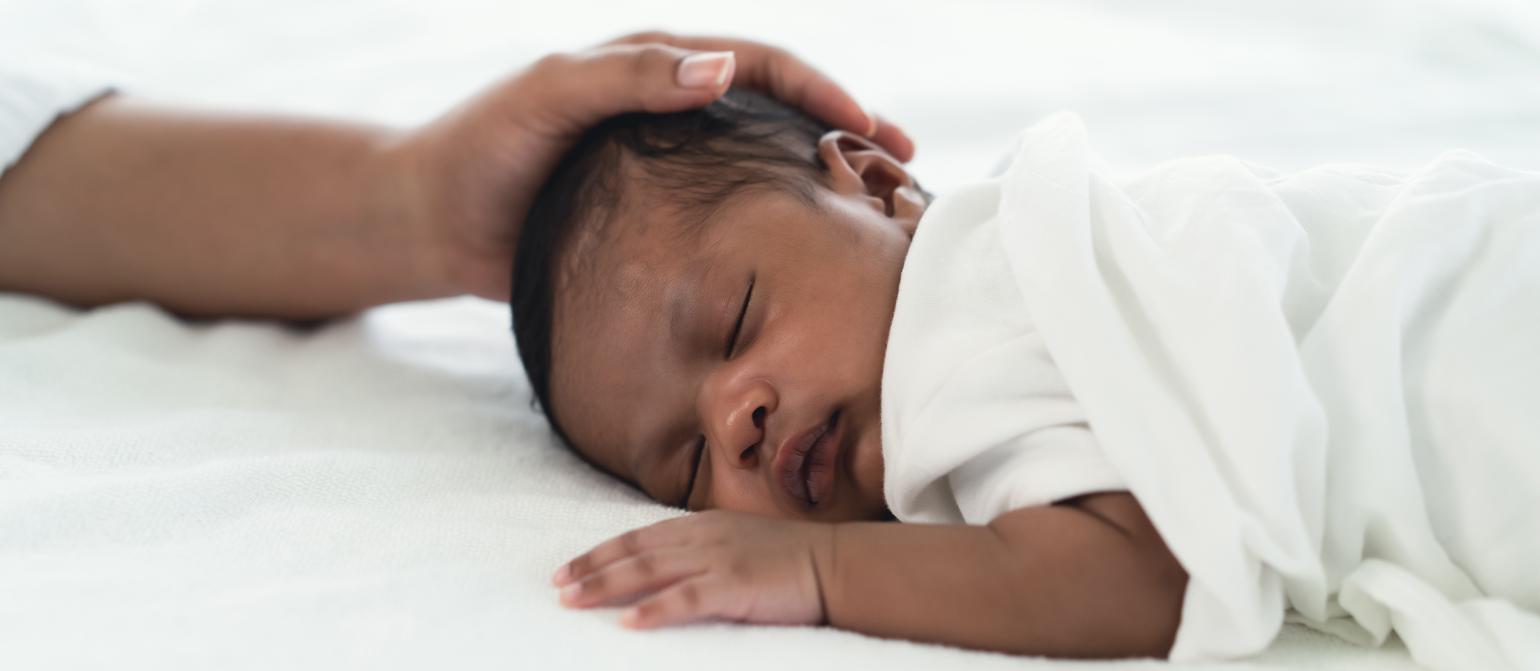
Even If You Don’t Give Birth in a Hospital, Your Baby Should Still Get Screened.
Talk to your midwife or other health care provider about the need for all of these important newborn screening tests before your baby is born. Partner with them to arrange for these screening tests to be done by your birthing provider after your baby is born. In the rare case that your birthing provider does not administer these newborn screening tests, please make sure that your baby’s health care provider does these tests as soon as possible after the baby is born.