
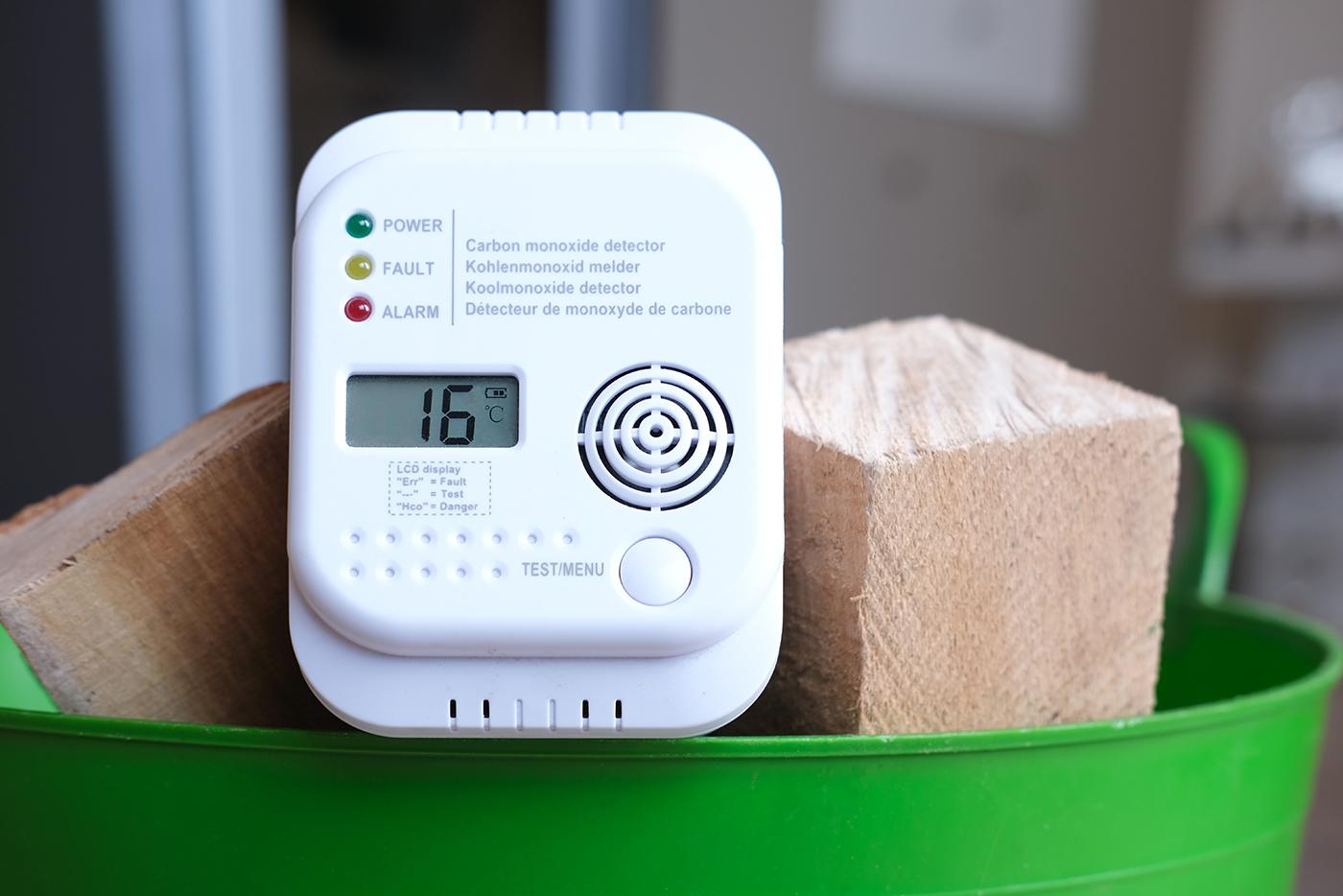
Carbon monoxide is called the silent killer for a reason. You can't see it or smell it, but it can make you very sick — or even be deadly. Each year, more than 400 people in the United States die from carbon monoxide exposure, and thousands more get sick and need medical care.
November is National Carbon Monoxide Awareness Month. It's a good reminder to check your home, car and workplace for ways to prevent carbon monoxide exposure. All carbon monoxide poisonings can be prevented.
Due to El Niño, North Carolina may experience more rain and ice than normal this winter that could trigger power outages. Always follow proper guidance on safe use of generators to avoid carbon monoxide poisoning.
What is Carbon Monoxide?
Carbon monoxide is a colorless, odorless, poisonous gas produced by:
- Fuel-burning appliances
- Generators
- Heaters
- Running cars
- Power tools
Anyone can be exposed, but some people are at higher risk, including unborn babies, young children, older adults and people with heart or lung problems.
Signs of Carbon Monoxide Poisoning
Initial symptoms can feel like the flu but without a fever. You might notice:
- Headache
- Shortness of breath
- Chest pain
- Nausea or vomiting
- Dizziness
- Loss of consciousness
If you or someone near you has these symptoms, get outside to fresh air right away and call 911. Do not try to find the source of the gas yourself.

What to Do if the Carbon Monoxide Alarm Sounds
- Leave the building immediately and go outside.
- Call 911.
- Stay out of the building until emergency responders say it's safe.
- Do not drive yourself if you feel dizzy or sick.
If you wait too long, you could lose consciousness and die.
How to Prevent Carbon Monoxide Poisoning
You can protect your family and coworkers by following these simple steps:
- Install carbon monoxide detectors on every level of your home. Check the batteries every six months and replace the detector according to the manufacturer's instructions every five years.
- Do not rely on a smoke alarm to detect carbon monoxide unless clearly listed on the device. Only some smoke alarms detect both carbon monoxide and smoke.
- Have furnaces, water heaters, chimneys and vehicle exhaust systems professionally inspected each year.
- Never run a car or truck inside a garage, even if the garage door is open.
- Do not use portable generators, charcoal grills, flameless heaters or camping stoves indoors.
- Never use ovens or gas ranges to heat your home.
- Keep fuel-burning tools and engines at least 20 feet away from open windows, doors and vents.
- Make sure appliances are properly vented and used according to manufacturer's instructions.
- During or after a snowstorm, make sure to clear snow from vehicle exhaust pipes and vents for the dryer, furnace, stove and fireplace before use.
Carbon Monoxide Safety at Work
Carbon monoxide can also build up at job sites, especially where gas-powered equipment or generators are used.
Employers should:
- Install carbon monoxide detectors and check them regularly.
- Continuously monitor carbon monoxide levels when using indoor combustion sources.
- Make sure there is proper ventilation in work areas.
- Train workers to recognize symptoms of carbon monoxide poisoning.
- Maintain buildings, HVAC systems and equipment to reduce carbon monoxide buildup.
In NC, the workplace safety limit for carbon monoxide in general industry and construction is 50 parts per million averaged over eight hours.
Learn more
For more information and resources, visit:
- NCDHHS Occupational and Environmental Epidemiology Branch Carbon Monoxide Guidance
- National Carbon Monoxide Awareness Association
- CDC: Carbon Monoxide Poisoning
- CDC: CO Poisoning on Your Boat
- CDC/NIOSH: Workplace Carbon Monoxide Hazards
- OSHA: Carbon Monoxide Poisoning Factsheet (PDF)
This blog post was supported by the Centers for Disease Control and Prevention of the U.S. Department of Health and Human Services (HHS) as part of financial assistance awards totaling:
- $710,000 per year with 100 percent funded by CDC/HHS
- $15,747,826 with 10 percent financed from non-federal sources
- $500,000 per year with 100 percent funded by CDC/HHS
The contents are those of the author(s) and do not necessarily represent the official views of, nor an endorsement, by CDC/HHS or the U.S. Government.