
Cyclosporiasis
Cyclosporiasis is an intestinal illness. It is caused by a parasite that is too small to be seen without a microscope.
How it spreads
People can get cyclosporiasis by consuming food or water contaminated with the parasite. Historically, common sources include parsley, cilantro and lettuce.
People traveling to countries where the disease is common may be at increased risk for infection. However, in recent years most cases in the U.S. did not involve travel outside of the country. Travel-associated cases, though fewer, are still reported.
Latest News
NCDHHS is working with state and local partners to identify potential sources and keep NC informed.
Signs and symptoms
The time between becoming infected and becoming sick is usually about one week.
Symptoms include:
- Watery diarrhea, with frequent, sometimes explosive, bowel movements
- Loss of appetite
- Weight loss
- Stomach cramps/pain
- Bloating
- Increased gas
- Nausea
- Fatigue
Vomiting, body aches, headache, fever and other flu-like symptoms may also occur.
Some people who are infected do not have any symptoms.
People at higher risk
People who are higher risk include:
- People at high risk for severe illness or complications
- Health care workers
- Child care workers
- Food handlers
- Travelers
Prevention
Stay up to date on safety alerts and recalls in the U.S. Protect yourself and your loved ones with these food and vegetable safe handling tips:
- Thoroughly wash your hands before handling food or after cleaning or using bathrooms.
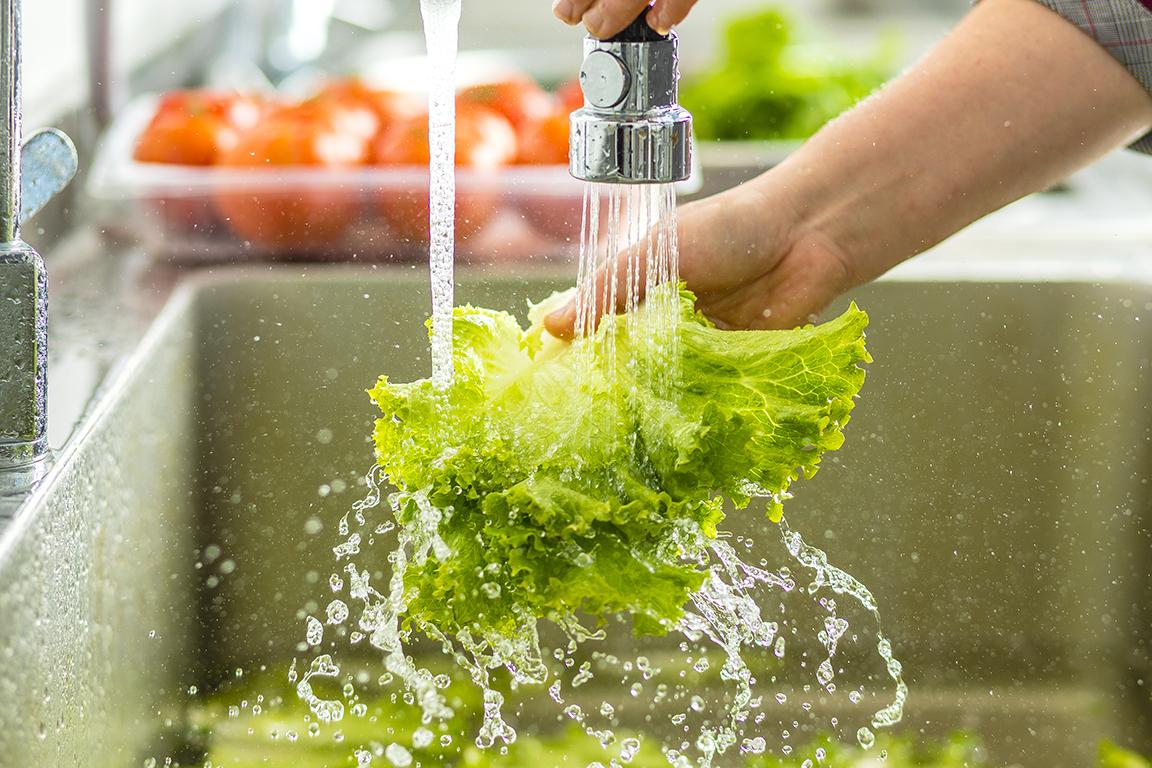
- Thoroughly wash fruits and vegetables before eating, cutting or cooking even if a product is labeled as "pre-washed." Washing may reduce the amount of cyclospora in contaminated produce, but it's unlikely to remove it entirely.
- Wash your hands after washing produce that is commonly reported as sources of cyclospora, including parsley and cilantro, before washing other produce.
- Don't share surfaces or knives with other food items when preparing produce commonly reported as sources of cyclospora.
Traveling?
Be aware of cyclosporiasis and how to avoid illness from this and other diarrheal diseases.
When traveling, be careful about food and water. Not all water that comes from pipes in countries at risk for cyclosporiasis is safe. Ask officials for advice on where to get safe drinking water.
More steps to take when in an area at higher risk:
- Apply good hand hygiene practices.
- Use toilets attached to plumbing.
- Drink bottled, boiled or filtered water.
- Brush your teeth using a safe water source.
- Do not eat raw produce that can't be peeled or uncooked seafood, including shellfish.
- Avoid tap water, fountain drinks and ice cubes.
Treatment and recovery
The disease is usually treated with certain antibiotics. Most healthy people recover without treatment, but antibiotics can speed up recovery.
Check with your health care provider if you feel sick. Don't have a provider? Contact your local health department.
Take care to avoid dehydration. People who are ill should hydrate with fluids such as water and sports drinks with electrolytes.
This page was last modified on 09/08/2026