
[TEST] Viral Hemorrhagic Fevers
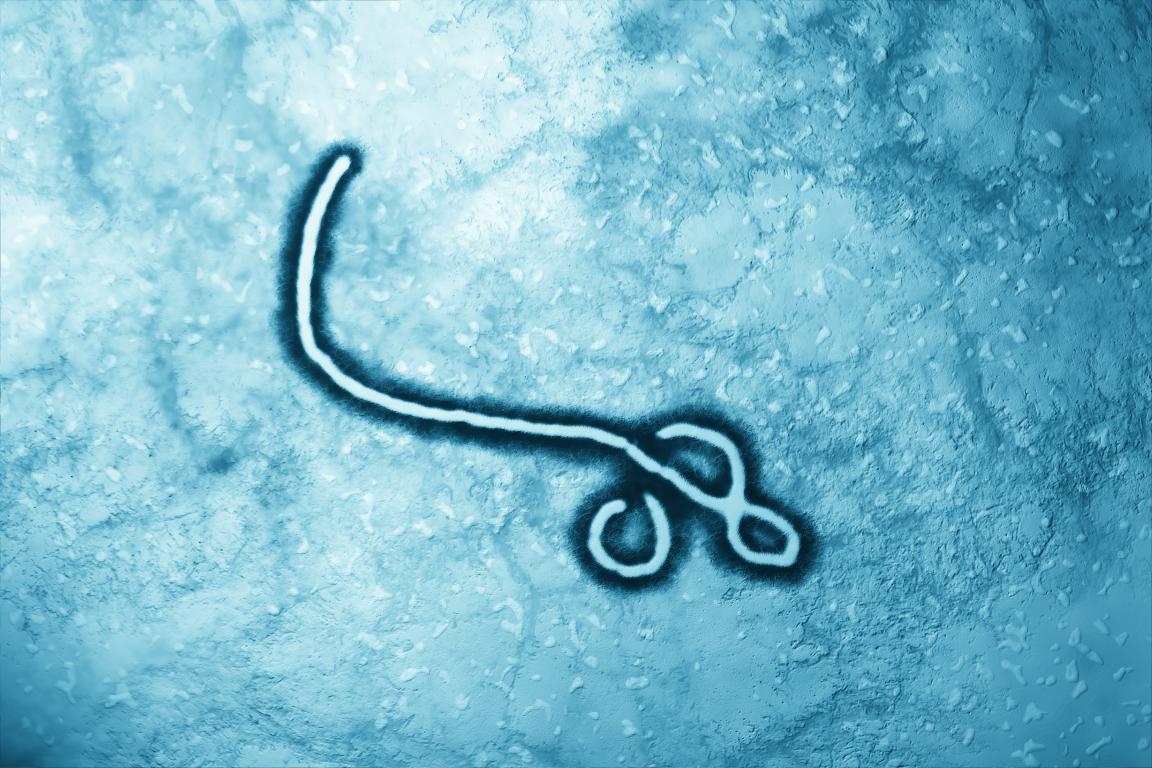
Viral hemorrhagic fevers (VHFs) are serious diseases that affect many of the body's organ systems. This can include damage to a person's cardiovascular system. VHFs can reduce the body's ability to function on its own.
VHFs are caused by several kinds of viruses across the world. Each virus is associated with one or more nonhuman hosts that carry and spread disease. This usually restricts the virus and the disease it causes to the areas where these species live.
Viral Hemorrhagic Fevers with Person-to-Person Transmission
Ebola is a rare and deadly disease caused by infection with one of the Ebola virus strains. It is spread through direct contact with body fluids of a person who is sick with the disease. It is not spread through the air, water, or food.
Ebola viruses are found in several African countries. It was first discovered in 1976 near the Ebola River in what is now the Democratic Republic of the Congo. Since then, outbreaks have appeared sporadically in Africa. If you or a loved one becomes ill within 21 days after traveling to an affected area in West Africa, contact a healthcare provider immediately. You should limit contact with others until you have been evaluated.
The risk of infection of Ebola in North Carolina is extremely low.
Lassa fever is a viral infection spread by the “multimammate rat” in western Sub-Saharan Africa. It can also be spread from one human to another through body fluids.
Most people who catch the illness have mild or even no symptoms. However, it can be severe in some people. Pregnant women who catch Lassa fever are at a very high risk for pregnancy loss.
Deafness can result from the virus in both mild an severe cases.
Lassa fever can be treated with antiviral medication. Prevention includes steps such as storing food safely to avoid contact with rats. Human-to-human prevention includes protective coverings and isolation when someone is ill with Lassa fever.
Like Ebola, Marburg is a rare, severe viral hemorrhagic fever. Infection can occur with either Marburg virus or Ravn virus. It disease can lead to serious illness or death. Symptoms can appear suddenly and may include fever, rash, and severe bleeding.
Marburg virus is most commonly found in sub-Saharan Africa. It is spread from infected Egyptian rousette bats to people. Once the disease has "spilled over" from wildlife to people, those who are sick can spread the disease to other people.
Someone can become infected with the Marburg virus if they have contact with body fluids from people with the disease.
Frequently Asked Questions
In the News
Read about outbreaks and Public Health response in the news