
Newborn screening protects what matters most: your baby's health.
Newborn screening is a set of tests babies get within 24 to 48 hours of birth. These screenings help find serious health conditions as early as possible.
Early detection ensures babies who need treatment and care get it as soon as possible, when it works best. Most babies born with a serious health condition have no family history. Some babies show no signs of the condition at birth. Newborn screening is the only way to detect these conditions before symptoms begin.
North Carolina has conducted newborn screening for about 60 years.
Detecting serious but treatable health conditions
Newborn screening uses three types of tests to look for serious but treatable health conditions in babies:
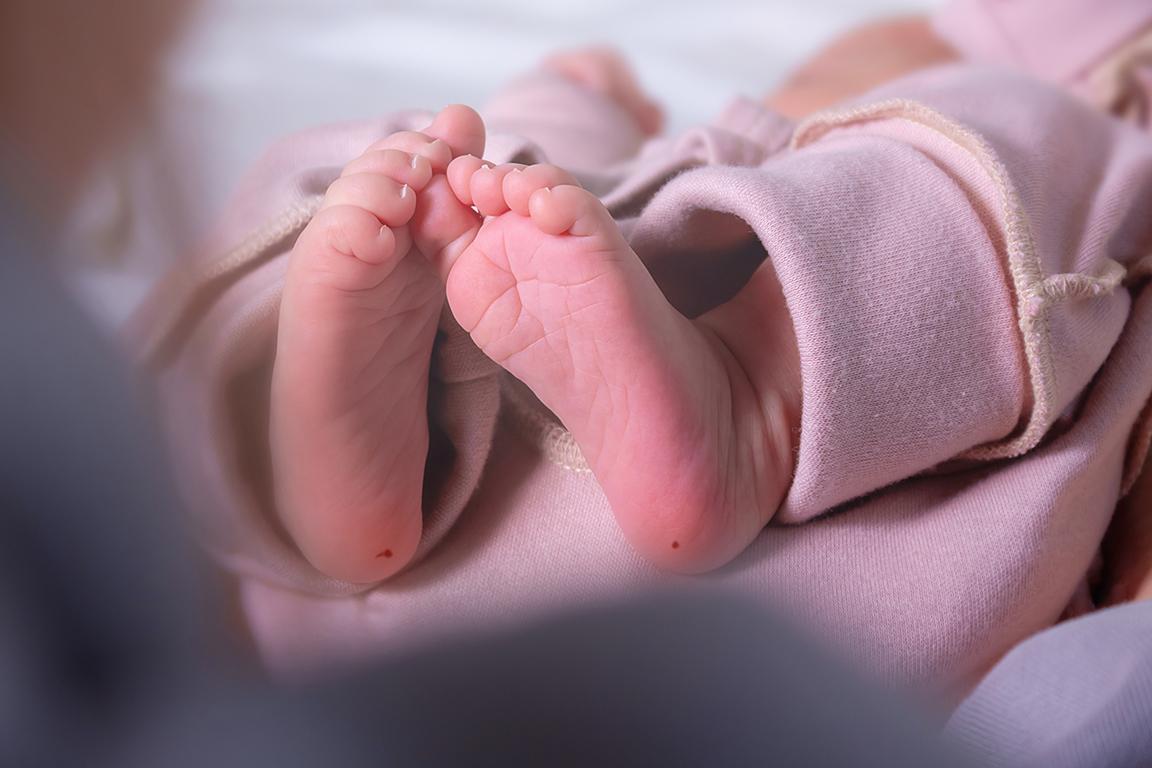
- Blood spot screening checks for many serious health conditions using a few drops of blood from a baby's heel.
- Hearing screening checks a baby for hearing loss.
- Heart screening (pulse oximetry) checks for heart problems known as critical congenital heart disease (CCHD).
Parents will learn the results of the hearing and heart screening almost immediately and the blood spot screening a few days later. Most babies have a normal result. In some babies, newborn screening will find serious but treatable health conditions. A positive screen does not mean that the baby definitely has the condition. It means the baby will need a follow-up test, or tests, to confirm if they have the condition.
Health care providers play an important role in making sure newborns receive screening in a timely manner, sharing the results with families and managing next steps.
Get more resources: Trustworthy websites with more information
Share materials: Newborn screening social media toolkit
