
Protect the Power of Antibiotics with Smart Use
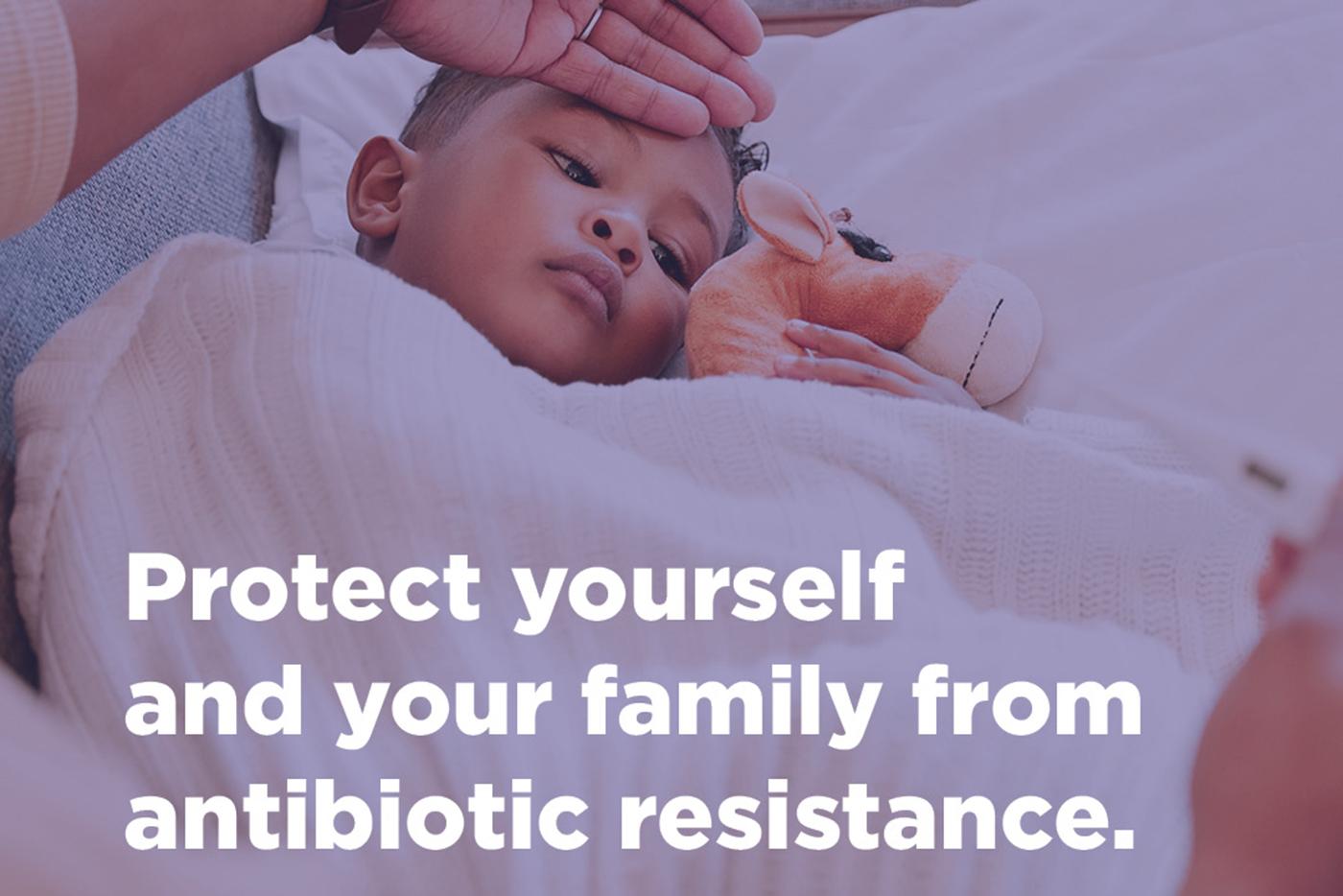
North Carolina health experts are encouraging people to use antibiotics wisely to help stop antibiotic resistance, a growing public health threat.
NCDHHS is recognizing North Carolina Antibiotic Awareness Week, Nov. 18-24, 2026, to raise awareness about the safe use of antibiotics.
Antibiotics are medicines that treat infections caused by bacteria. However, using antibiotics when they are not needed or using them incorrectly can cause bacteria to become resistant to treatment. When this happens, infections become harder to cure and can lead to serious illness or death.
“Antibiotics are valuable tools that treat infections caused by bacteria, but overusing them can make bacteria resistant to them. This means infections become harder to treat, increasing the risk of serious illness and death. Because of this, antibiotic resistance is now one of the most serious public health challenges worldwide.”
-Dr. Lawrence Greenblatt, state health director and chief medical officer at NCDHHS
Why Antibiotic Resistance Matters
Antibiotic resistance is one of the world’s most serious public health challenges.
From 2019 to 2024, North Carolina’s antibiotic prescribing rates in outpatient settings were higher than national rates. Unnecessary antibiotic use can speed up the development of antibiotic-resistant bacteria.
According to the Centers for Disease Control and Prevention, more than 9.3 million drug-resistant infections occur in the United States each year, and more than 39,000 people die as a result. Without action, those numbers are expected to grow.
When Antibiotics Work and When They Don’t
Antibiotics only work against infections caused by bacteria. They do not treat viruses.
Antibiotics may help treat illnesses such as:
- Strep throat
- Urinary tract infections
Antibiotics do not work for:
- Colds and runny noses
- Flu
- COVID-19
- Bronchitis
- Most coughs and sore throats
- Stomach flu
- Some ear and sinus infections
Taking antibiotics for illnesses they cannot treat does not help you get better and can increase antibiotic resistance.
What You Can Do
Everyone can protect the effectiveness of antibiotics by following a few simple steps:
1. Use antibiotics only when needed.
Take antibiotics only if a health care provider says they are necessary.
2. Take them exactly as prescribed.
If you are prescribed antibiotics, follow your provider’s instructions and finish the full course of treatment, even if you start feeling better.
3. Never share antibiotics.
Do not take antibiotics prescribed for someone else. The medicine might not be right for your illness and could delay proper treatment.
4. Learn about possible side effects.
Talk with your health care provider about the benefits and risks of any antibiotic you are prescribed.
5. Ask about penicillin allergies.
Some people believe they are allergic to penicillin when they may not be. If you think you have a penicillin allergy, talk with your provider about testing or evaluation.
6. Dispose of unused antibiotics safely.
Take unused antibiotics to a medication drop box for safe disposal.
Supporting Safe Antibiotic Use
NCDHHS has created antibiotic prescribing guidelines for adults and children to help health care providers follow evidence-based practices. Medical providers are also encouraged to take the state’s Antibiotic Stewardship Pledge to support responsible prescribing.
“Antibiotics have transformed modern medicine, but their effectiveness is increasingly threatened by antibiotic resistance. Promoting responsible antibiotic use today is one of the most important steps we can take to protect public health and future generations.”
-Dr. Kelly Kimple, director of NCDHHS Division of Public Health
For more information and resources, visit the NCDHHS Antibiotic Stewardship webpage.
Related press release: NCDHHS Urges North Carolinians to “Be Antibiotic Aware” to Prevent Antibiotic Resistance