
People at Higher Risk for Avian Flu
Some people have a higher chance of exposure to avian flu because of what they do or where they spend time.
If you work with animals
Farmworkers, veterinarians, animal workers
You may be exposed if you:
- Handle sick animals
- Work with poultry or livestock
- Come into contact with animal fluids
Protect yourself:
- Wear gloves and protective equipment
- Wash hands often
- Avoid touching your face
- Change clothes after work
More information: Information for Workers Exposed to Bird Flu (CDC)
If you have backyard birds or poultry
Protect your flock and yourself:
- Keep birds away from wild birds
- Do not touch sick or dead birds
- Wash hands after handling birds or eggs
- Clean and disinfect equipment
More information: Backyard Flock Owners: Protect Yourself from Bird Flu (CDC)
If you hunt or handle wild birds
Avian flu is found in some wild birds in North Carolina.
You may be exposed if you:
- Do not handle sick or dead birds
- Wear gloves when handling game
- Wash hands after handling birds
- Clean clothing and equipment
More information: Hunters and Bird Flu (CDC)

If you visit farms, fairs or animal exhibits
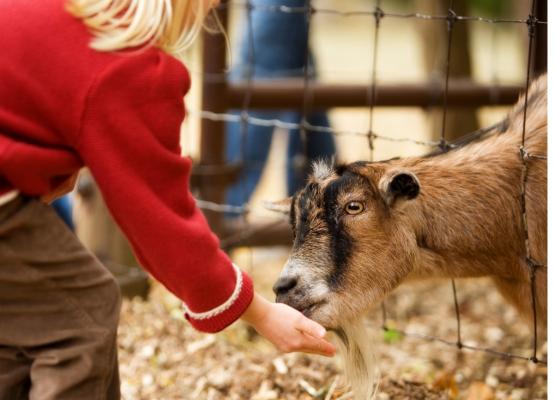
Protect yourself:
- Wash your hands after touching animals
- Do not eat or drink in animal areas
- Keep children’s items away from animals
- Avoid raw (unpasteurized) milk
Get more tips and guidance: Agricultural Fairs/Exhibitions and Avian Flu
Get more information
After handling birds:
- Watch for symptoms of avian flu for 10 days
- If you feel sick, go to what to do if you were exposed
For more information, visit these CDC resources:
On This Page Jump Links
On
This page was last modified on 08/25/2026