
About 1,4-Dioxane
What is 1,4-dioxane?
- A man-made and likely cancer-causing chemical used in the U.S. for several decades
- Clear, flammable liquid used in manufacturing to extend the life of other chemicals and materials
- Still found in some consumer goods or as a byproduct in manufacturing
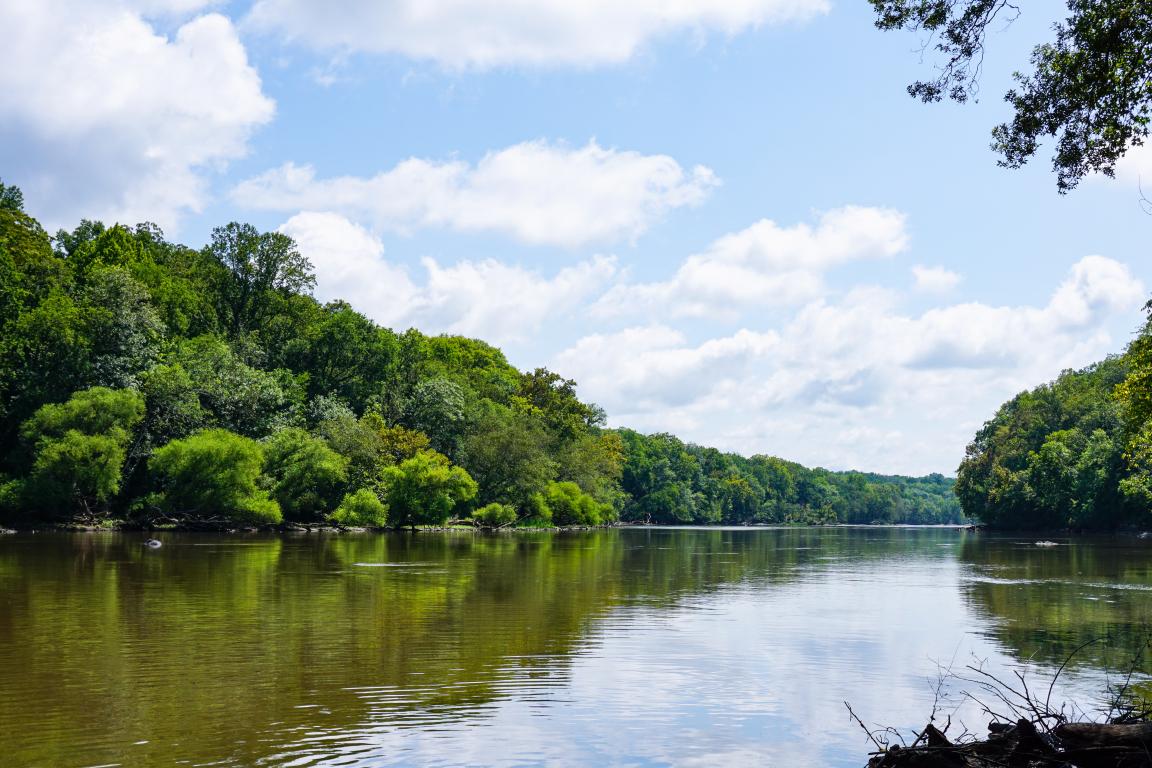
Why it's a public health concern: 1,4-dioxane has been detected in surface water (or drinking water supplies) throughout the U.S.
Where it's found: Surface water, wastewater and drinking water.
What's the risk? Most North Carolinians are not exposed to concentrations exceeding the national average. But some regions of NC experience the highest levels in surface and drinking water in the U.S.
The Cape Fear River Basin, especially, has been impacted by industrial pollution. There have also been elevated 1,4-dioxane levels in Asheboro's wastewater.
Exposure to 1,4-dioxane
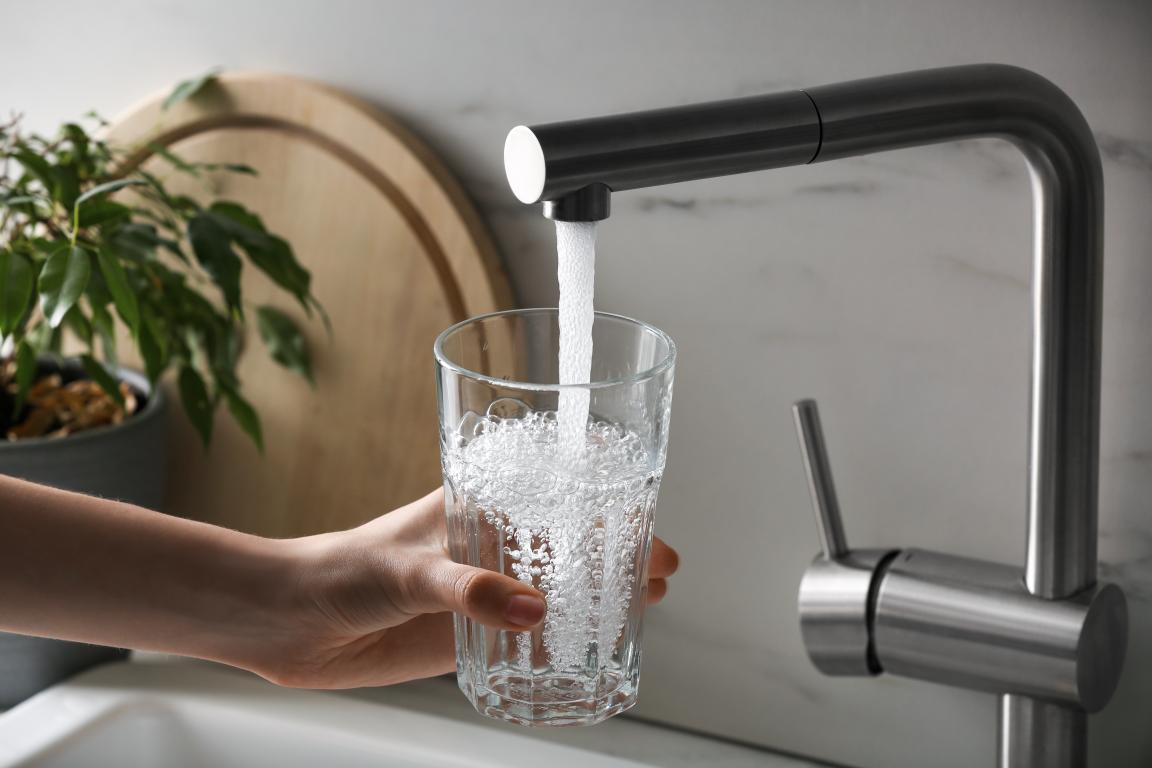
How it gets into the environment: May be released into the water, air or soil near manufacturing plants where it's produced or where it's used by consumers. It moves through soil quickly and flows into surface water and groundwater. This means it can enter drinking water.
How people are exposed:
- Drinking contaminated water
- Breathing contaminated air
- Direct skin contact (from use of household products or cosmetics that contain the chemical)
What to Know
Agencies that classify 1,4-dioxane as a likely carcinogen, or cancer-causing chemical:
- U.S. Environmental Protection Agency (EPA)
- International Agency for Research on Cancer (IARC)
- U.S. Department of Health and Human Services (HHS)
- Agency for Toxic Substances and Diseases Registry (ATSDR)
How 1,4-dioxane may cause cancer in the body is still being investigated. Studies in animals show drinking water or inhaling air that contains 1,4-dioxane can cause cancer in the liver, kidneys and lungs over time.
- Concentration of 1,4-dioxane in drinking water the EPA says would reduce lifetime cancer risk: 0.35ppb*
- National average of 1,4-dioxane in drinking water: 0.45ppb*
1,4-dioxane and byproducts the body breaks it down into tend to leave the body within a few days through urine. They do not tend to build up in the body. But exposure to very high 1,4-dioxane levels can lead to health impacts, especially if exposure occurs over a long time.
There are currently no regulations for 1,4-dioxane in drinking water.
Federal and state regulatory agencies actively collect data and monitor 1,4-dioxane levels in the water supply across the country. This tracking helps identify areas at high risk and develop ways to address the root cause.
- Serves as subject matter experts for NCDEQ reports on 1,4-dioxane levels in NC.
- Reviews new studies on 1,4-dioxane environmental levels and toxicity to understand possible public health impacts.
- Recommends actions to reduce exposure and protect health.
- Works with scientists at the forefront of 1,4-dioxane research to understand and use newly available health and toxicity data. These include experts at universities, the U.S. EPA and NCDEQ.
- Promotes health education through public meetings and presentations, and answers residents’ questions.
- Serves as a resource for local health departments.
Success story: Within a year of work to reduce 1,4-dioxane levels in treated/partially treated wastewater in Greensboro, levels decreased in surface and drinking water. This shows combining industrial best management practices and treatment technologies can effectively reduce 1,4-dioxane levels in water and protect health.
Put Your Water to the Test
- If your home or business receives public water, you can contact your water utility for your water quality report. Many water utilities screen for 1,4-dioxane as part of ongoing monitoring tracking efforts, particularly in the Cape Fear River Basin.
- If you rely on a private well, you can contact a state-certified commercial lab to get your well water tested for 1,4-dioxane. Your guide to private well testing in NC
Does your tap water have elevated levels of 1,4-dioxane? Consider another option for drinking water, like bottled water.
More Information
- Public Health Statement: 1,4-dioxane (ATSDR)
- How 1,4-dioxane is Manufactured and Used in Various Industries (SL Environmental Law Group)
- 1,4-Dioxane in Cosmetics: A Manufacturing Byproduct (U.S. Food and Drug Administration)
- 1,4-dioxane, health and water treatment (Yale School of Public Health)
- Latest News on 1,4-dioxane from NCDEQ
- More topics in Occupational and Environmental Epidemiology
More Public Health Resources
- Integrated Risk Information System Chemical Assessment Summary (EPA)
- Toxicological Profile for 1,4-Dioxane (ATSDR)
- Water Sanitation and Health: Dioxane (World Health Organization)
- Managing emerging compounds in water (NCDEQ)
- Groundwater fact sheet: 1,4-dioxane (CA State Water Resources Control Board)
This page was last modified on 09/02/2026