
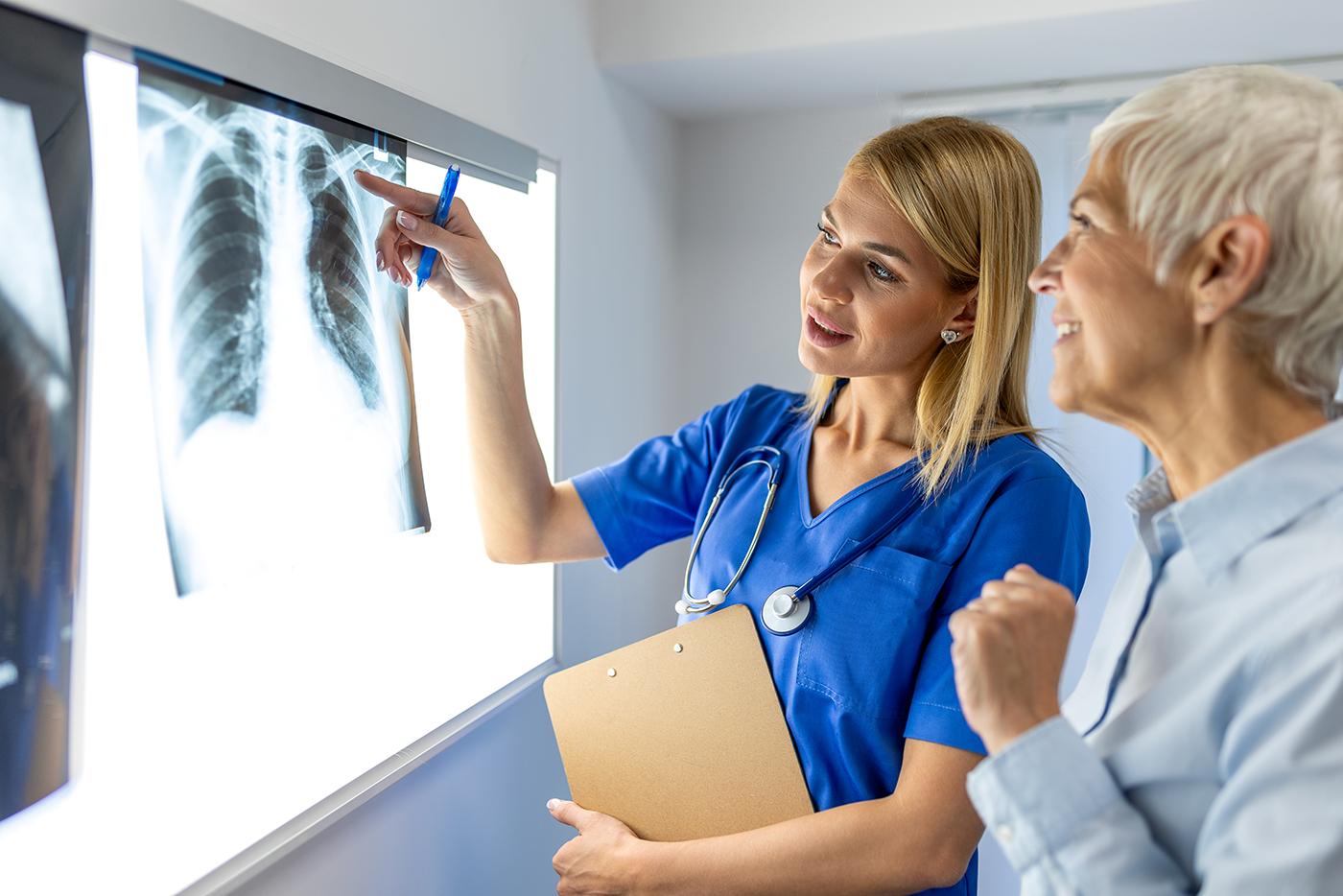
Lung cancer is the leading cause of cancer deaths in North Carolina. The good news is that many types of lung cancer are preventable. When lung cancer is found early, it is more treatable.
This November, for Lung Cancer Awareness Month, take these three simple steps to lower your risk and help protect the health of those around you:
1. Quit Smoking or Never Start
Smoking commercial cigarettes is the number one cause of lung cancer. If you don’t smoke, the best choice is to never start. If you do smoke, quitting is the most powerful step you can take to protect your health.
No matter your age or how long you have smoked, quitting lowers your risk of lung cancer. You don’t have to do it alone. QuitlineNC offers free, confidential help 24/7. Services include quit coaching, personalized quit plans and nicotine replacement therapy.
Take action:
- If you smoke and want to quit, call 1‑800‑QUIT‑NOW or visit QuitlineNC to get started.
- If you don’t smoke, stay tobacco-free and nicotine-free.
- Encourage friends and family to quit or avoid starting.
2. Test Your Home for Radon. Know the Hidden Risk
Radon is the leading cause of lung cancer among people who have never smoked. It is an odorless, colorless gas released from the ground into outdoor air. You can’t see, smell or taste it. It can build up inside homes and other buildings and become dangerous over time.
Radon is responsible for approximately 21,000 lung cancer deaths each year across the United States. In North Carolina, radon causes 480 deaths each year. Every county in North Carolina has homes with high radon levels.
Testing for radon is simple. Order an at‑home test kit or hire a certified radon professional. If your home has high radon levels, there are proven ways to lower them.
Take action:
- Test your home for radon using guidance from the NC Radon Program.
- If your radon level is high, learn how to reduce it. Visit the NCDHHS radon mitigation page for help.
- Learn more about how radon affects lung health.
3. Talk to Your Health Care Provider About Lung Cancer Screening
Some people have a higher risk of lung cancer even if they take steps to stay healthy. Screening can help find lung cancer early, when treatment may work best.
Lung cancer screening uses a low-dose CT scan. The test is quick, painless and usually takes less than a minute. Most appointments take less than 30 minutes from start to finish.
You may qualify for lung cancer screening if you:
- Are between 50 and 80 years old,
- Currently smoke or quit smoking within the past 15 years and
- Have a 20-pack year history, which means smoking one pack a day for 20 years or two packs a day for 10 years.
Take action:
- Take a one-minute lung cancer risk quiz to understand your eligibility for screening.
- Talk with your health care provider about your risk.
- Visit the American Lung Association’s Lung Cancer Screening Resources page to learn more.
Lung Cancer Call to Action
Lung Cancer Awareness Month is the perfect time to make a change. Small steps can lead to big improvements for you, your family and all North Carolinians.
These three actions can make a powerful difference in preventing lung cancer and catching it early:
- Quit Smoking. Call 1‑800‑QUIT‑NOW or go to QuitlineNC.
- Test for Radon. Get your home tested this month.
- Get Screened for Lung Cancer. Schedule a talk with your health care provider today.