
Hantaviruses
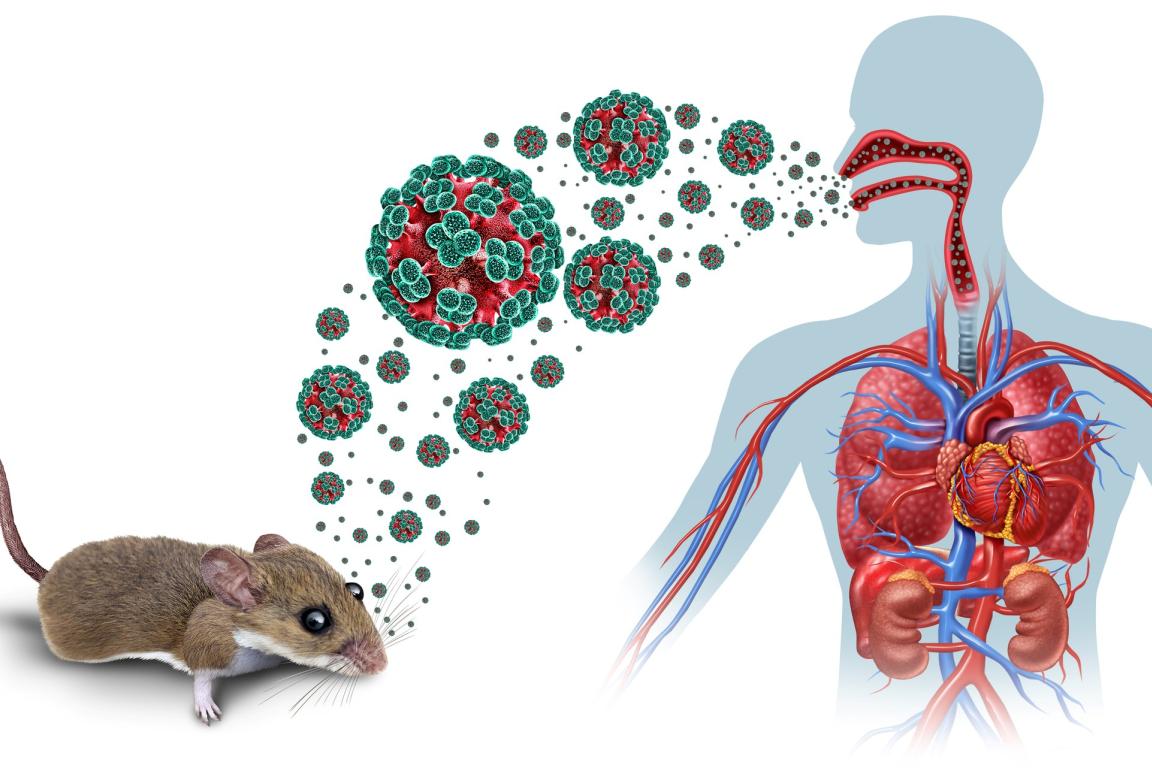
Hantaviruses are carried by rodents, especially rats and mice. When hantaviruses infect people they may cause a serious illness called Hantavirus Pulmonary Syndrome (HPS). People usually come in contact with the viruses through rodent urine, droppings or saliva. Hantavirus cases are extremely rare in North Carolina with one reported case in 1995.
May 2026: NCDHHS is closely monitoring the recent hantavirus outbreak associated with the M/V Hondius. There are no current cases of hantavirus in North Carolina. The risk of infection of the Andes virus in North Carolina remains extremely low.
Read more about North Carolina's Public Health response to this outbreak
How it Spreads
Hantaviruses are a family of viruses that can cause serious illnesses and death. They are carried by rodents, especially rats and mice. Hantaviruses are found across the world. In the United States, the most common cause of serious infection in humans is the Sin Nombre virus. The Sin Nombre virus is mostly commonly found in the U.S. Southwest. It's reservoir (host) is the deer mouse.
The disease is passed to humans when the virus is inhaled or gets into someone's eyes, nose, mouth or broken skin. This may occur through contact with an infected rodent's:
- Urine
- Droppings
- Saliva
- Nesting material
Sin Nombre virus is not known to spread through person-to-person contact. Andes virus is the only hantavirus that is known to be able to spread person-to-person. This generally occurs through close, prolonged contact. The Andes virus is not known to occur naturally in the United States.
Signs and Symptoms
Hantavirus illness is dependent on the type of infecting virus. New world hantaviruses, such as Andes and Sin Nombre virus, cause hantavirus pulmonary syndrome. Old world hantaviruses, such as Seoul virus, cause hemorrhagic fever with shock syndrome.
| Detail | New World Hantaviruses | Old World Hantaviruses |
|---|---|---|
| Examples | Sin Nombre, Andes | Seoul, Puumala |
| Where Found | North and South America | Asia and Europe |
| Reservoir (Host) | Various rodent species | Various rodent species |
| Early Symptoms | Fatigue, Fever, Muscle aches | Headaches, back and abdominal pain, nausea |
| Severe Symptoms | Coughing, Shortness of breath, acute respiratory distress syndrome | Shock, hemorrhage, acute kidney failure |
Symptoms of hantavirus can develop between four to 42 days after being exposed.
How to Prevent Hantavirus Infection
Take steps to secure your home, workplace or campsite from rodents that may carry the disease. This includes:
- Sealing holes and gaps where rodents can get in
- Placing traps around your home and garage
- Taking care of rodent infestations promptly
- Cleaning up easy-to-get food that may attract rodents
It is also important that you wear personal protective equipment when cleaning up after a rodent infestation. Do not vacuum or dry sweep rodent nesting materials or excrement. This can lead to the virus becoming airborne.
Treatment and Recovery
Currently, there is no specific treatment for hantavirus infection. Patients should receive supportive care, including rest, hydration and treatment of symptoms. Seek immediate medical attention if you or a loved one is experiencing trouble breathing.
This page was last modified on 05/19/2026